Conservation you can put in the catalogue
Digitise and conserve holdings at shelf scale, with a revertible record of every treatment applied to every sheet.
Manuscript leaves · intake run
8,400 sheets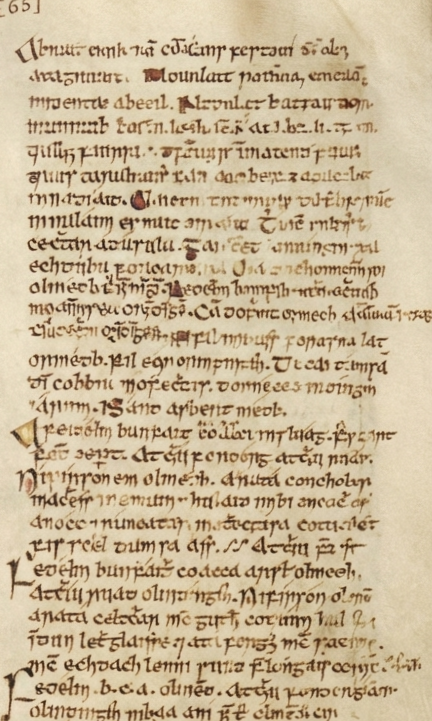 MS/1841/002Damp staining done
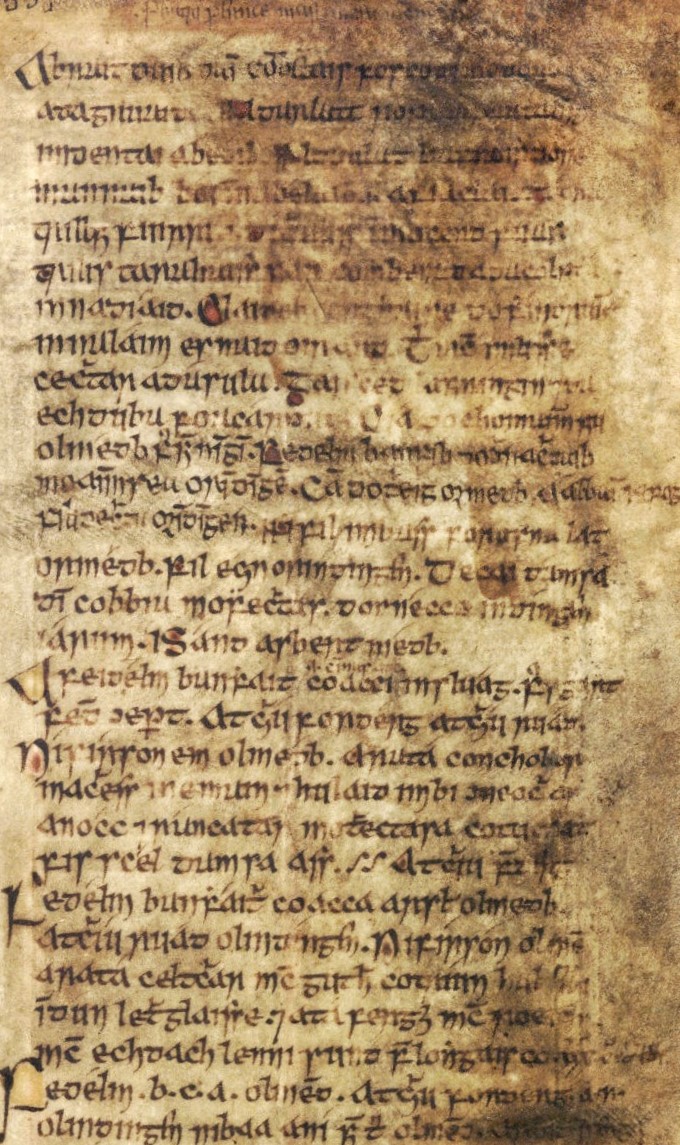 MS/1841/003Foxing, marginqueuedMS/1841/004Ink burn-throughqueuedMS/1841/005Soundqueued
Surveyed once for the run · every treatment revertible
Built for archives & libraries
What this usually looks like before us
An archive cannot deliver a restored image without being able to say what was done to it. Every treatment lands as its own revertible version with its own record, so the chain from original capture to delivered file is complete and auditable - and reconstruction is always marked rather than blended in.
Four steps, and it asks you almost nothing
The console looks at the page, says what it found and what it proposes, and does it. You never have to learn the filing system to get the benefit of it.
Add
A shelf goes in at once - photographs, scans, whole bound volumes.
Look
Each sheet is surveyed in a conservator's vocabulary before anything runs.
Restore
Treatments apply across a selection, and every one of them is revertible.
Finish
Results land in the collection they were assigned, with the overlay for the catalogue.
How the work is different afterwards
Survey, treatment and verification - the same three things the console shows you on every single page.
Survey once, treat a run
Record condition in a conservator's vocabulary and apply treatments across a selection, opening single sheets only when they need it.
Provenance by construction
Every version is retained and revertible, and reconstructed regions can be rendered as an overlay for the catalogue record.
Transcription included
Early modern hands and Latin abbreviation go through a dedicated palaeography pass, with expansions marked for an editor.
The overlay that gets it past the committee
Every reconstructed region is recorded as it is made, so the job can render exactly which pixels are yours and which are the document's. It is designed to sit in a catalogue record.
- Original capture retained and never overwritten
- Every treatment a separate, revertible version
- Reconstructed regions renderable as an overlay
- Losses marked as losses, never filled with text
- Condition survey recorded in conservator's terms
Baptism register, 1841
Version history · every step revertible
revertible — every treatment
“The provenance overlay is what got this past our conservation committee. We can show exactly which pixels are ours.”
Head of Collections, county record office
Who this is for
Archives & Libraries covers a few different jobs. These are the ones people arrive with.
County record offices
Turn a standing backlog into a run that can be reported on quarterly.
Research libraries
Make fragile holdings readable for readers without putting them on a desk again.
Conservation teams
A record of every treatment, in the vocabulary a committee already uses.
What this audience actually uses
The consoles and the restoration behind them - every one of these is a real page, not a feature list.
Start with one difficult document.
Free to start, no card. Bring the sheet your current process cannot handle and judge archives & libraries on that.
Archives & Libraries, answered
What this audience asks before committing anything to a restoration pipeline.
Have a document you are not sure about?
Send us a photograph of it. We will tell you honestly whether it is recoverable before you spend anything.
Ask usYes. Every treatment is a retained, revertible version, and reconstructed regions can be rendered as an overlay against the original. That overlay is designed to sit in a catalogue record.
Digitisation with a provenance record.
Digitise and conserve holdings at shelf scale, with a revertible record of every treatment applied to every sheet.
Free to start · no card · the original is always kept