A box of papers, and nobody left to explain them
Make sense of a deceased relative's paperwork - wills, deeds, policies and certificates - when the person who understood the filing is gone.
Estate papers · unsorted intake
identified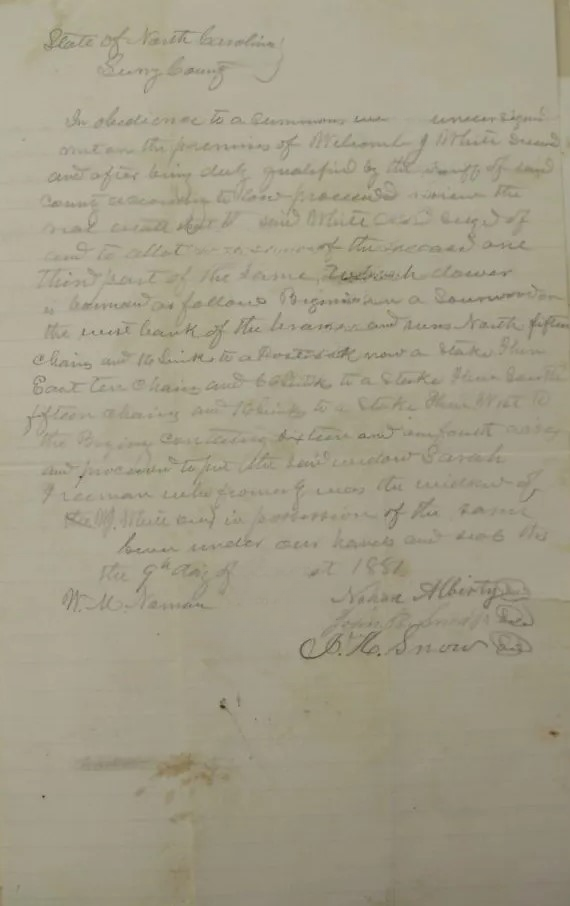
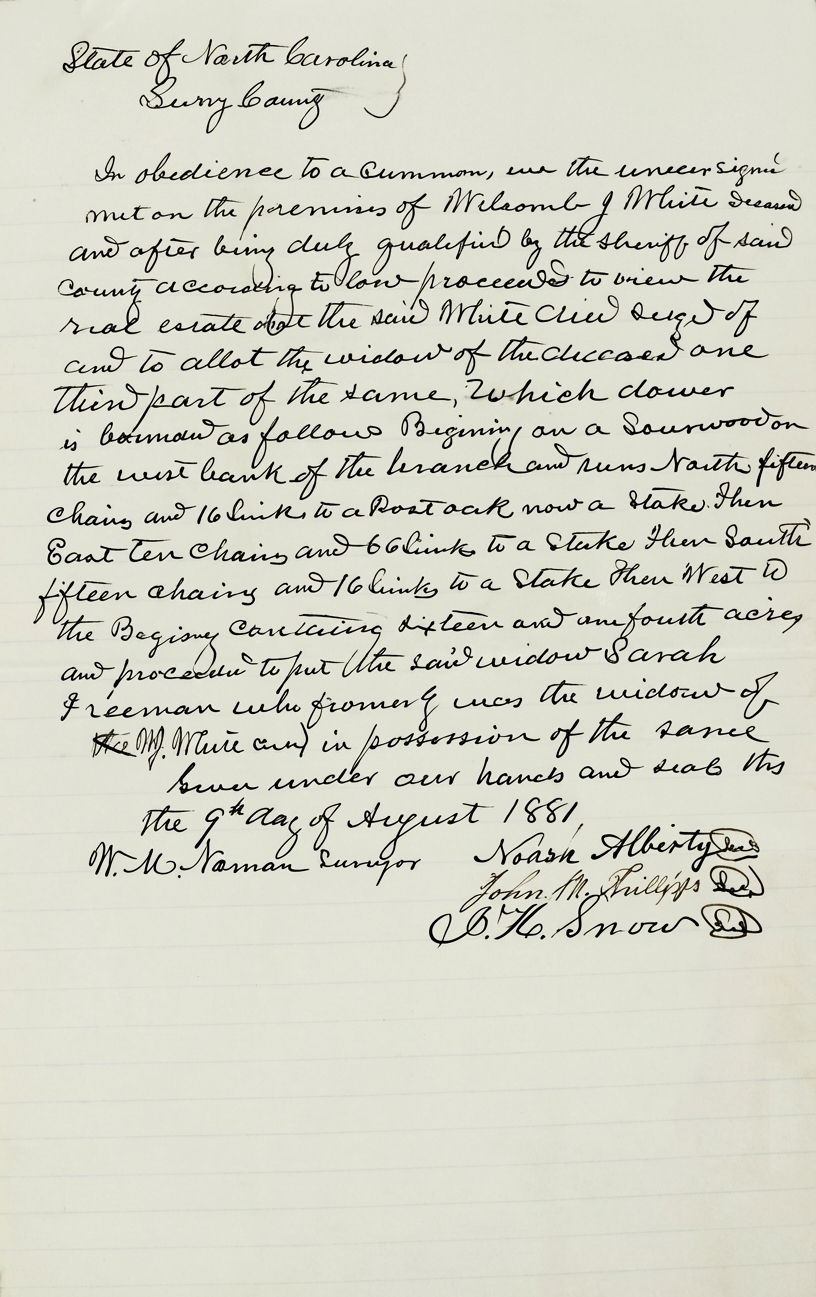
You do not have to know what any of it is first - signatures are held before anything runs.
Built for estates & probate
What this usually looks like before us
Administering an estate means reading documents you have never seen, filed by someone you can no longer ask. Docovly makes them legible without altering a word, holds every signature and seal as the original, and marks what it cannot recover instead of guessing - because an executor has to be able to say where each figure came from.
Four steps, and it asks you almost nothing
The console looks at the page, says what it found and what it proposes, and does it. You never have to learn the filing system to get the benefit of it.
Add
The whole box goes in - you do not have to know what any of it is first.
Look
Each sheet is identified and its signatures and seals held before anything runs.
Restore
Faded ink and handwriting are recovered as written, never re-typeset.
Finish
Download the legible copy, the transcription, and the untouched original.
How the work is different afterwards
Survey, treatment and verification - the same three things the console shows you on every single page.
Legible, and unaltered
Faded printing and ink are recovered at stroke level. Nothing is re-typeset, so the document still says exactly what it said.
Signatures held as originals
Executor and witness signatures, notary marks and seals are composited straight back from your own scan rather than regenerated.
Read, not rewritten
Handwriting is restored as written and the transcription delivered as separate text beside it, with uncertain words shown against their crop.
An executor has to be able to say where a figure came from
Restoration here changes how clearly a document reads and nothing else. Signatures and seals are composited back from your own scan, every treatment is retained and revertible, and anything unrecoverable is marked rather than quietly resolved.
- Nothing re-typeset - the wording is never altered
- Signatures, witness marks and seals held as originals
- Uncertain handwriting shown against its own crop
- Unrecoverable text marked, never filled in
- The untouched original delivered with every job
Codicil to a will, 1969
Version history · every step revertible
held — signatures and seals
“Three of us had read the codicil and disagreed on a figure. The restored copy settled it in an afternoon.”
Executor, family estate
Who this is for
Estates & Probate covers a few different jobs. These are the ones people arrive with.
Executors
Administer an estate from documents you can actually read and cite.
Next of kin
Make sense of a folder you did not file and cannot ask about.
Family beneficiaries
Settle a disputed figure by reading it rather than arguing over it.
What this audience actually uses
The consoles and the restoration behind them - every one of these is a real page, not a feature list.
Start with one difficult document.
Free to start, no card. Bring the sheet your current process cannot handle and judge estates & probate on that.
Estates & Probate, answered
What this audience asks before committing anything to a restoration pipeline.
Have a document you are not sure about?
Send us a photograph of it. We will tell you honestly whether it is recoverable before you spend anything.
Ask usNo, and it is built so that it cannot. Restoration works on legibility rather than content - nothing is re-typeset, no character is invented, and where a word genuinely cannot be recovered it is marked as unrecoverable rather than filled in.
Papers you did not file, and cannot ask about.
Make sense of a deceased relative's paperwork - wills, deeds, policies and certificates - when the person who understood the filing is gone.
Free to start · no card · the original is always kept