The seal on the delivered sheet is the seal from the original
Anything that authenticates a document must not be regenerated, however convincing the regeneration. Mark a seal, a wax impression, gold leaf or a registrar's signature and that region is copied back from the original after every treatment, with a feathered edge - guaranteed by compositing, not by instruction.
- composited
- never regenerated
- held
- region excluded from processing
- original
- delivered marks are the originals
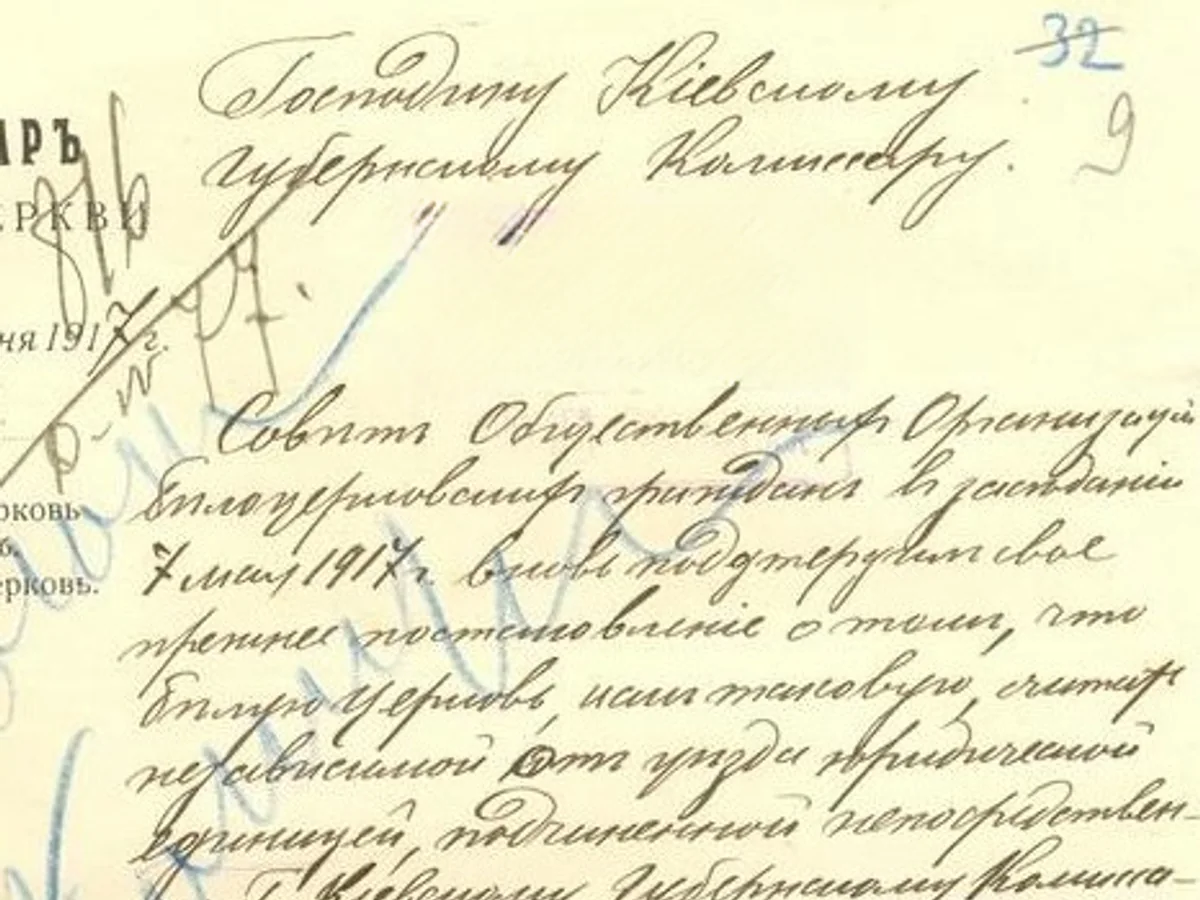
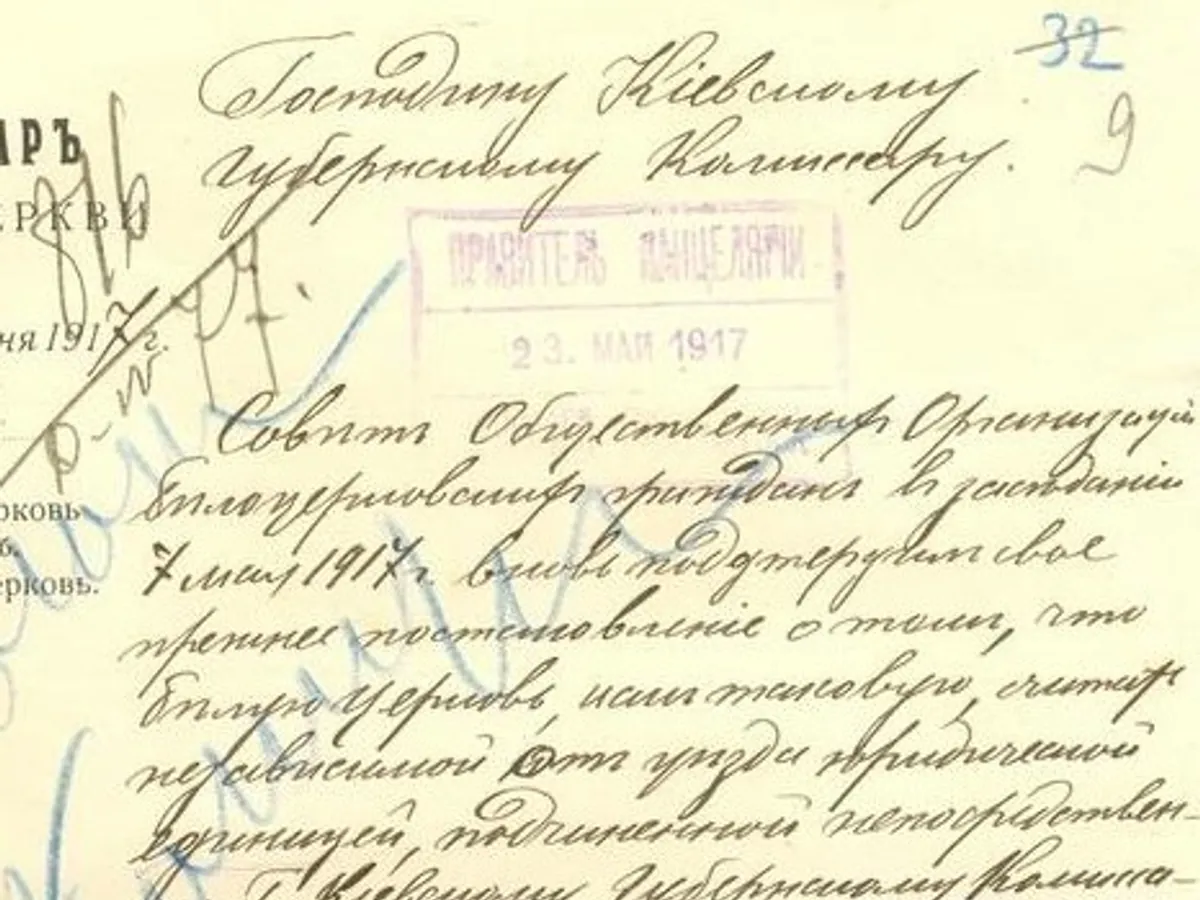
Anything that authenticates a document must not be regenerated, however convincing the regeneration. Mark a seal, a wax impression or a registrar's signature and that region is copied back from the original after every treatment - guaranteed by compositing, not by instruction.
One precious page, or a whole shelf of them. Seal & Stamp Preservation runs the same either way — here is the damage it takes on, and the records it runs across.
and the records it runs across
Why this is harder than it looks
A model asked to restore a page will happily restore the seal too, and it will look excellent. It will also be a rendering of a seal rather than the seal - which is precisely the distinction an institution cannot afford to lose.
What this handles
- Embossed and dry seals
- Wax seals and impressions
- Registrar and notary signatures
- Gold leaf and foil authentication
- Rubber stamps and franking
- Security overprint and guilloche
How seal & stamp preservation runs
The same three moves on every job, and the third one is the part most tools skip.
Box the region
Draw around the seal, stamp or signature. That region is now held for the whole life of the job.
Restore around it
Every treatment runs on the rest of the sheet as normal, with the held region excluded from processing entirely.
Composite back
The original pixels are returned to the finished sheet with a feathered edge, so the mark is the original and the join is invisible.
What actually happens to the page
The distinction an institution cannot afford to lose is between a seal and a rendering of a seal. Here is how the guarantee is built into the pipeline rather than requested from a model.
Draw around the mark, and it is held for the whole job
Mark a seal, a wax impression, gold leaf or a registrar's signature and that region is held for the entire life of the job. As many regions as the document needs - registry certificates routinely hold a seal, two signatures and a franking stamp on one sheet.
- Embossed, dry and wax seals held
- Signatures, franking and security overprint held
- Several held regions on one document
Every treatment runs on the sheet, never on the hold
Restoration runs on the rest of the page exactly as normal, with the held region excluded from processing entirely. The guarantee comes from the pipeline's structure - held pixels do not enter a restoration engine - rather than from a model being asked to be careful.
- Held region excluded from every engine pass
- The hold survives each subsequent treatment
- Enforced by structure, not by instruction
The original pixels return, so the mark is the original
The held pixels are returned to the finished sheet with a feathered edge, so the mark is the original and the join is invisible. If the seal itself is damaged, the choice is yours - hold it exactly as it is, or release the hold and let it be restored. What is never available is restoring it silently.
- Original pixels composited back, feathered
- Institutions can state marks are the originals
- Damaged seals: hold as-is or release, your call
Why compositing, not care
The whole feature is one idea: authentication must be the original, and the only way to guarantee that is to keep the original pixels.
Enforced, not requested
Held regions are excluded from processing and composited back afterwards - the guarantee is structural, not a model cooperating.
You choose record vs noise
An overprinted office stamp can be cleared; an authentic seal can be held. Which is which is your decision, per mark.
Damaged seals, your call
Hold a damaged seal exactly as it is, or release the hold to restore it - what is never available is restoring it silently.
Many marks, one sheet
Hold as many regions as the document needs - a seal, two signatures and a franking stamp on the same certificate is routine.
Built to be trusted at the edges
Seal & Stamp Preservation is one capability inside a pipeline built on a single idea: a restoration you cannot trust at the edges is a picture of one.
Everything is read back
Every restored page is read as text and compared against what was legible before, so nothing appears out of nowhere without being flagged.
The original is never lost
The untouched capture is always delivered beside the restoration - the recovery is a new version, never an overwrite.
Refusals are the product
What cannot be recovered is marked, not guessed. The guarantee is built into how the pipeline runs, not asked of a model.
It reads back as data
Fields come out checked against the document's own arithmetic, with withheld values kept in their own column - never mixed with blanks.
One sheet or a whole shelf
Per-page isolation means a single difficult document never stops the run - each page keeps its own progress, result and failure.
Free to try, no card
Free to start, no watermark, and if a document is not recoverable we would rather tell you than sell you a plan.
Where a general-purpose tool goes wrong
The same page, two philosophies. One optimises for a convincing picture; the other for a correct one - and says so when those two part ways.
What most tools do
- Regenerates the seal along with the page
- Delivers a convincing rendering, not the mark
- No record of what was original vs redrawn
- Clears every stamp, record and noise alike
What Docovly does
- Holds the mark out of every engine pass
- Composites the original pixels back, feathered
- Institutions can state marks are the originals
- You choose which marks stay and which lift
What it will not do
Enforced by how the pipeline is built rather than by instructions given to a model - which is the only kind of guarantee worth writing down.
- 1Held regions never pass through a restoration engine
- 2The hold survives every subsequent treatment on the job
- 3Institutions can state that delivered marks are the originals
composited
marks returned, never regenerated
0
signatures or seals redrawn
held
regions excluded from every pass
original
the delivered mark is the original
Consoles that use this capability
Seal & Stamp Preservation, answered
What people ask before sending us documents to recover, verify and deliver.
Have a document you are not sure about?
Send us a photograph of it. We will tell you honestly whether it is recoverable before you spend anything.
Ask usIt is enforced rather than requested. Held regions are excluded from processing and composited back afterwards, so the guarantee comes from the pipeline's structure rather than from a model's cooperation.
Also in Recover & deliver
Recover it, then read it back
Whatever state it is in - faint, cramped, sealed, or a shelf of them. Free to start, no card, and the original is never overwritten.