A restored deed that a registry will actually accept
Produce filing-quality copies of contracts, deeds and court papers with signatures composited back and clause numbering verified.
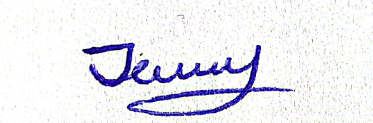
Deed · signature held
0 redrawn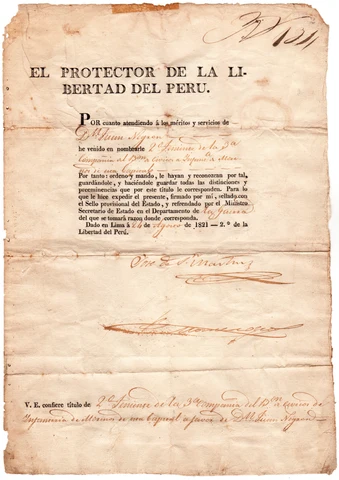
Clause sequence
Clause 14 missing from the sequence
Held regions never enter an engine - they are composited back from the original.
Built for law firms & notaries
What this usually looks like before us
Legal restoration has one hard rule: the parts that make a document binding are not the parts a model may improve. Signatures, initials and notary seals are held and returned from the original, while clause numbering is read back and any gap in the sequence is reported on the job.
Four steps, and it asks you almost nothing
The console looks at the page, says what it found and what it proposes, and does it. You never have to learn the filing system to get the benefit of it.
Add
Deeds, contracts and court papers go in as they are, both faces if you have them.
Look
Signature, initial and notary regions are boxed and held before anything runs.
Restore
The paper around them is repaired; the held regions never enter an engine.
Finish
Clause numbering is read back and any gap in the sequence is reported.
How the work is different afterwards
Survey, treatment and verification - the same three things the console shows you on every single page.
Signature hold
Signature, initial and notary regions are composited straight back from the original after the paper around them is repaired.
Clause integrity
Numbering is read back and checked for gaps and duplicates, and any break is reported rather than left to be found.
One side at a time
Show-through from the reverse is identified as mirrored geometry and removed, so captured text is not corrupted by the back of the page.
The parts that make it binding are the parts nothing may improve
A held region is excluded from processing entirely and composited back afterwards with a feathered edge. The guarantee comes from the structure of the pipeline, not from asking a model nicely.
- Signatures, initials and notary seals held by default
- An illegible signature stays illegible - the honest result
- Clause numbering checked for gaps and duplicates
- Show-through removed so the reverse never corrupts capture
- Every treatment recorded and revertible for the file
Commercial lease, 1987
Version history · every step revertible
0 — signatures redrawn
“It found a missing clause 14 in a 1987 lease that three people had already read past.”
Partner, commercial property practice
Who this is for
Law Firms & Notaries covers a few different jobs. These are the ones people arrive with.
Conveyancers
Filing-quality copies of deeds and title plans a registry will actually accept.
Litigation teams
Exhibits at print resolution, with the text verified against the source.
Notaries
Seals and signatures returned from the original, never regenerated.
What this audience actually uses
The consoles and the restoration behind them - every one of these is a real page, not a feature list.
Start with one difficult document.
Free to start, no card. Bring the sheet your current process cannot handle and judge law firms & notaries on that.
Law Firms & Notaries, answered
What this audience asks before committing anything to a restoration pipeline.
Have a document you are not sure about?
Send us a photograph of it. We will tell you honestly whether it is recoverable before you spend anything.
Ask usNever. If a signature is illegible in the original it stays illegible in the output. That is the honest result, and it is the only one a court would accept.
Signatures held, clauses counted.
Produce filing-quality copies of contracts, deeds and court papers with signatures composited back and clause numbering verified.
Free to start · no card · the original is always kept